SUSTAINABLE SITES TERMS
可持续场地专业术语
Site Assessment
场地评估
Site assessment: An assessment that examines environmental characteristics that can influence the design of a sustainable site and building.
- 场地评估:用于核查可影响可持续场地及建筑设计的各项环境特征的评估工作。
Erosion Control
侵蚀控制
Erosion: The removal of sediment such as soil, sand, silt, or gravel by wind or water.
- 侵蚀:土壤、砂、粉砂、砾石等沉积物被风或水剥离、搬运的过程。
Erosion control: The practice of preventing or slowing down soil erosion caused by wind or water. Erosion control mitigates problems with water and air quality that might otherwise impact both humans and wildlife.
- 侵蚀控制:预防或减缓风蚀、水蚀的措施,可减轻水土侵蚀对水质、空气质量造成的不良影响,保护人类与野生动植物。
Sedimentation: The settling of soil particles that have been eroded and transported by water or wind.
- 淤积 / 沉积:被风、水侵蚀并搬运的土粒发生沉降堆积的过程。
Soil compaction: The process of soil particles being pressed together, which deteriorates soil structure and fertility.
- 土壤板结:土粒受挤压紧密结合,造成土壤结构破坏、肥力下降的现象。
Site Resilience to Climate
场地气候韧性
Climate hazards: Events that pose a risk to a project site, such as drought, extreme heat, extreme cold, flooding, hail, hurricanes and high winds, landslides, sea level rise, storm surge, tornadoes, wildfires and smoke, and winter storms. Climate hazards must be assessed during the discovery phase.
- 气候灾害:对项目场地构成威胁的气候事件,包括干旱、极端高温、极端低温、洪涝、冰雹、飓风与强风、滑坡、海平面上升、风暴潮、龙卷风、野火及烟雾、冬季风暴等,需在前期勘察阶段完成评估。
? Resilience: The capacity of a site to prevent, withstand, respond to, and recover from a disruption.
- 韧性:场地抵御、承受、应对环境扰动并从中恢复的能力。
Urban Heat Island Reduction
缓解城市热岛效应
Green/vegetated roof: A vegetative layer grown on a rooftop.
- 绿色屋顶 / 植被屋面:屋顶上铺设的植被层。
Solar reflectance index (SRI): A measure of the constructed surface’s ability to stay cool in the sun, accounting for both reflectivity and emissivity (the ability of a material to emit energy through radiation).
- 太阳反射指数(SRI):表征硬质表面在日照下保持低温的指标,综合考量反射率与发射率(材料通过辐射释放热量的能力)。
Tree equity: How well the critical benefits of urban tree canopy are reaching the people and communities who need them most.
- 树木公平性:城市树冠层的生态效益能否公平惠及最需要的人群与社区。
Urban heat island: When a city experiences much warmer temperatures than nearby rural areas due to flat, dark surfaces of roadways, parking lots, and tarred rooftops absorbing the sun’s heat.
- 城市热岛效应:道路、停车场、沥青屋顶等深色硬质表面吸收太阳热量,使城市气温显著高于周边乡村的现象。
Rainwater Management
雨水管控
Impervious surface: An area of ground that keeps precipitation from percolating through the soil. Examples include roofs, paved roads and parking areas, sidewalks, and soils compacted by construction or use.
不透水面:阻碍雨水下渗至土壤的地表区域,例如屋顶、铺装道路、停车场、人行道,以及因施工或使用导致板结的土壤。
Pervious surface: An area of ground that allows precipitation to seep through the surface down to underlying layers of soil and gravel. Sites can reduce paved areas using pervious paving systems such as interlocking pavers.
透水面:可使降水下渗至下层土壤与砾石层的地表。场地可采用连锁透水砖等透水铺装系统,减少硬化铺装面积。
Rainwater management: The practice of capturing and retaining rainfall on the project site in ways that mirror natural systems in order to limit runoff.
雨水管控:模拟自然生态系统,在项目场地内收集、滞留雨水,以控制雨水径流的措施。
Rainwater runoff: Excess rainwater that collects and flows across the surface of a site.
雨水径流:场地表面积聚并流动的多余雨水。
Human Connection to Nature
人与自然连通
Accessible open space: An outdoor space with features that make it accessible to people with disabilities and service animals. This may include providing wheelchair ramps, tactile surfaces, wide pathways, and signage to ensure that everyone, regardless of physical ability, can navigate and use the space comfortably.
- 无障碍开放空间:可供残障人士及服务动物使用的户外空间,可设置轮椅坡道、盲道、宽阔步道及标识,保障不同行动能力的人群均可舒适通行、使用。
Biophilic space: A space that integrates natural elements into building designs. Biophilic design can connect individuals with nature to enhance health, well?being, and productivity.
- 亲自然空间:将自然元素融入建筑设计的空间。亲自然设计可使人与自然相连,提升健康水平、幸福感与工作效率。
Light Pollution Reduction
光污染管控
Cool light: A specific color of light that has a bluish?white glow. Cool light, also known as blue light, is generated by LEDs and electronic devices and can disrupt sleep patterns for both humans and wildlife if viewed at night.
- 冷光:呈蓝白色的光线,又称蓝光,常见于 LED 灯与电子设备。夜间暴露在冷光下会扰乱人类及野生动物的睡眠节律。
Light pollution: The excessive or inappropriate use of outdoor artificial light, which affects human health, wildlife behavior, and the ability to observe stars.
- 光污染:户外人造光的过度或不当使用,会影响人体健康、野生动物习性及天文观测。
Warm light: A specific color of light that has an amber or yellow hue, similar to that of candlelight.
Bird-Friendly Buildings
鸟类友好型建筑
Bird-friendly glass: Glass that is visible to birds so that they can avoid it. Some products incorporate visual markers into the glass itself, while bird?friendly films and other materials can be applied to the glass as a retrofit.
- 防鸟撞玻璃:鸟类可识别、规避的玻璃。部分产品内置视觉标识,也可后期加装鸟类友好型贴膜及其他材料。
Habitat Conservation and Restoration
栖息地保护与修复
Adapted plants: Plants that are not native to a location but grow reliably with minimal attention from humans.
- 适生植物:非本地原生、但可在当地稳定生长且养护成本低的植物。
Biodiversity: The variety of life in all forms, levels, and combinations, including ecosystem diversity, species diversity, and genetic diversity.
- 生物多样性:生命在形态、层级及组合上的多样性,包含生态系统多样性、物种多样性、基因多样性。
Healthy habitat: An environment that supports a diverse and balanced community of plants, animals, and microorganisms.
- 健康栖息地:可支撑多样且平衡的动植物及微生物群落的生态环境。
Invasive species: A species that is non?native to the ecosystem and whose introduction causes or is likely to cause economic or environmental harm or harm to human health.
- 入侵物种:非本土物种,引入后会或可能造成经济、环境破坏,或危害人类健康。
Native plants: Plants that occur naturally in a given location and ecosystem.
-
- 原生植物:在特定区域及生态系统内自然生长的本土植物。
LEED Impact Areas: Sustainable Sites
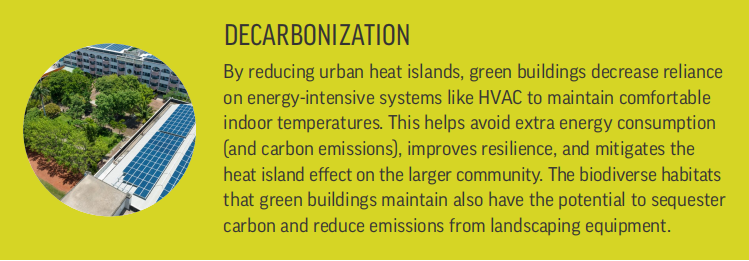
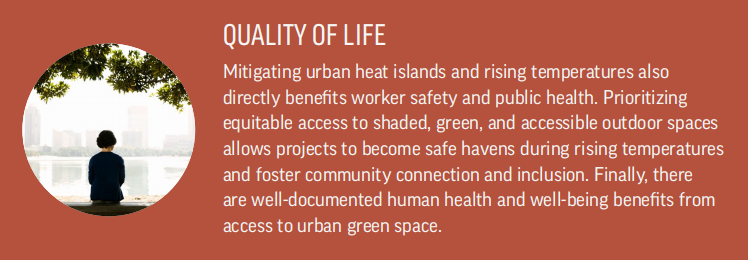
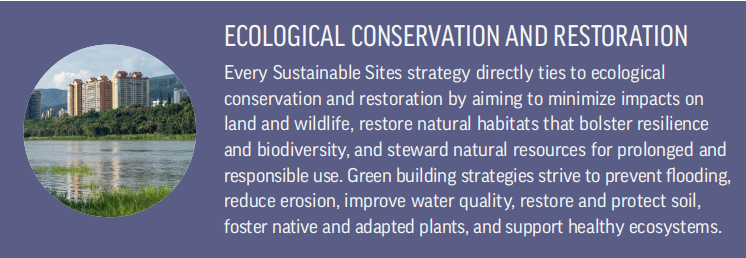
The Sustainable Sites strategies in LEED address all three of LEED’s impact areas:


 京公网安备 11010602007285号