7.2 Potable Water 饮用水
Potable Water
饮用水
Human development drives demand for potable water — that is, clean water that is suitable for drinking.
人类发展催生了对饮用水的需求,即可供饮用的洁净水。
Historically, most projects rely on municipal sources of potable water to meet all their needs, from flushing toilets to washing dishes to irrigating landscapes.
以往大多数项目完全依赖市政饮用水,满足从冲厕、洗碗到景观灌溉的全部用水需求。
This high demand for potable water strains supplies and, under extreme conditions, necessitates water rationing.
这种过高的饮用水需求会加剧供水压力,极端情况下甚至需要实施配给供水。
However, potable water is only needed in instances where water is in contact with humans, such as water used for drinking, showering, cooking, and handwashing.
但实际上,只有直接与人体接触的场景才需要饮用水,例如饮用、淋浴、烹饪、洗手。
To provide potable water, treatment plants pull in freshwater (from sources such as rivers) and use chemical processes to purify it by killing microorganisms and removing most hazards, so that it is safe to drink.
为供应饮用水,水厂抽取河流等淡水,通过化学工艺杀灭微生物、去除大部分有害物质,使水质达到饮用标准。
This treatment comes at a huge public cost.
该水处理过程需要耗费巨大的公共成本。
Green Building Strategies
绿色建筑策略
Green building strategies aim to reduce demand for potable water, through both using less total water and only using potable water where needed.
绿色建筑策略旨在通过减少总用水量、仅在必要场景使用饮用水,降低对饮用水的需求。
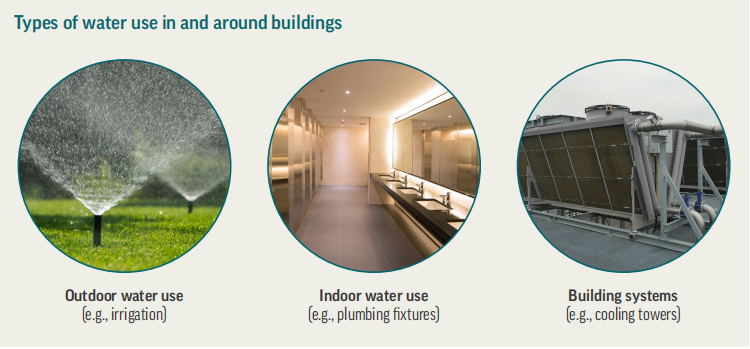
This involves looking for ways to reduce water used by the building for:
主要从以下三类建筑用水中寻找节水途径:
? Outdoor water use
- 室外用水
? Indoor water use
- 室内用水
? Building systems
- 建筑设备系统用水
关键词:


 京公网安备 11010602007285号