Embodied Carbon of Construction 施工阶段的隐含碳
Construction itself is a significant source of embodied carbon. Construction projects use heavy equipment and vehicles, heaters, lights, power tools, and much more, which produce pollution that can harm local ecosystems. All of this equipment requires power (either from fuel – typically diesel – or electricity). If there is no electricity on the site, generators will also be needed to power electrical equipment.
施工本身是隐含碳的重要来源。工程项目会使用重型机械与车辆、供暖设备、照明、电动工具等多种设备,这些设备产生的污染可能危害当地生态系统。所有设备都需要动力(通常为柴油燃料或电力);若现场无供电,还需发电机为电气设备供电。
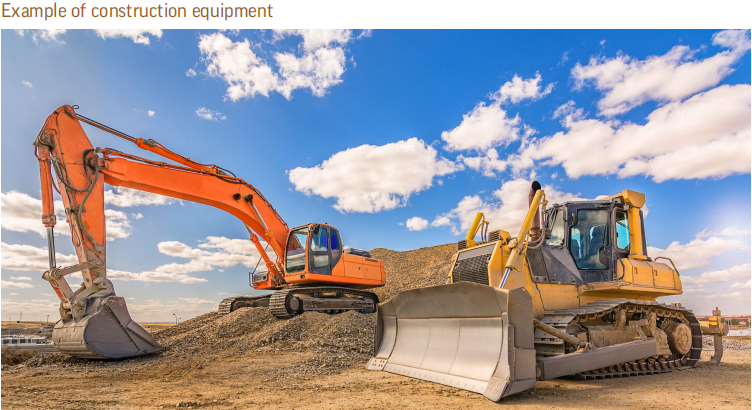
施工设备示例(结合图片场景说明)
图片展示了两类典型的重型施工设备,它们也是施工阶段隐含碳排放的主要来源:
-
挖掘机(Excavator)
用于土方开挖、场地平整、物料装卸等作业,传统机型多采用柴油发动机,运行时会直接产生碳排放和污染物排放。
-
推土机(Bulldozer)
主要负责场地清理、推平土壤、物料推送等重型作业,同样依赖柴油动力,是施工现场能耗与碳排放较高的设备之一。
Green Building Strategies 绿色建筑策略
Green building strategies aim to reduce the embodied carbon of construction activities. Strategies include:
- Tracking and reporting the energy used during construction and its associated carbon emissions
- Using battery-powered electrical equipment instead of diesel engines
绿色建筑策略旨在降低施工活动的隐含碳,具体方式包括:
- 统计并报告施工阶段的能源消耗及相关碳排放
- 使用电池驱动的电气设备替代柴油发动机
Quality of life
Using battery-powered electrical equipment instead of diesel engines helps reduce on-site pollution. In turn, this can reduce negative health impacts on construction workers.
使用电池驱动设备替代柴油发动机,可减少施工现场污染,从而降低对建筑工人的健康负面影响。


 京公网安备 11010602007285号