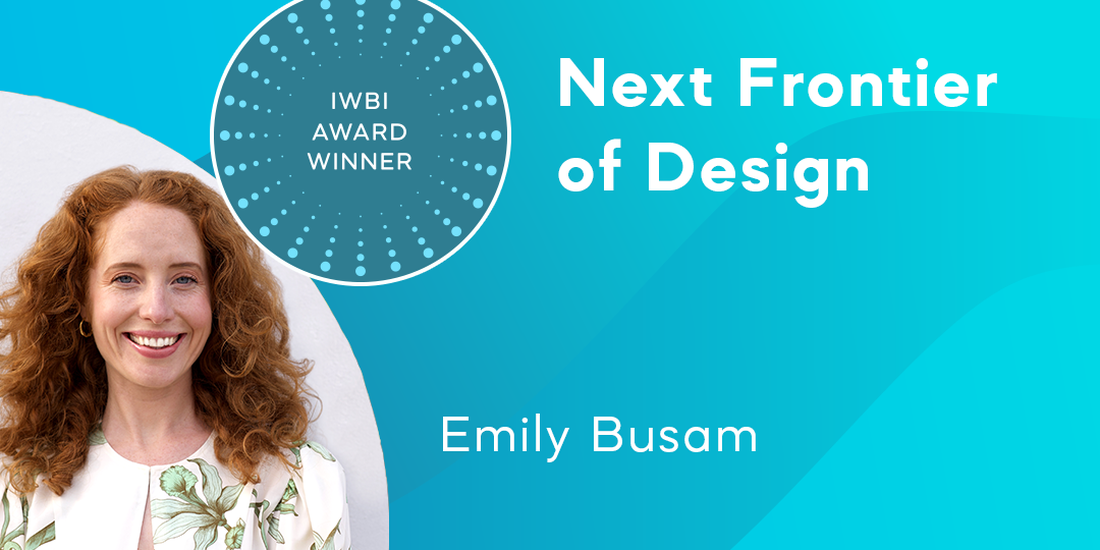
Emily Busam, WELL AP, is passionate about driving change through both deep technical work and accessible education. With a background in material health and a growing interest in interdisciplinary wellness strategies, she’s helping shape healthier spaces and more transparent supply chains. Her love for science, paired with a desire to support others on their WELL journey, led her to create a popular WELL AP audio course—breaking complex topics down into digestible insights for candidates on the go.
How did you first hear about the WELL AP? What made you interested in the credential?
I wanted to advance my career in a way that meaningfully contributed to both human and environmental health while maintaining a strong foundation in applied science and technical rigor. A colleague suggested I explore WELL, and as I dug into the standard, I was drawn to its holistic approach and evidence-based strategies. That’s when I decided to pursue the WELL AP credential.
What’s one way becoming a WELL AP has impacted your life and/or career?
Earning my WELL AP has deepened my technical expertise and expanded my perspective on how the built environment affects human health. Serving on the Materials Concept Advisory has allowed me to engage with cutting-edge research, and I’ve gained a greater appreciation for aspects of the standard I hadn’t considered before—like the role of circadian lighting and acoustical comfort. WELL’s interdisciplinary nature is what makes it so powerful, and I found myself truly enjoying the process of diving deeper into the research. That’s one of the reasons I created the WELL AP audio course—not just to make the material more accessible for candidates, but also to share my own enthusiasm for these topics in a way that helps others connect with them as well.
What are some things you’ve been able to do (or plan to do) as a WELL AP that you couldn’t before? Why are those things important to you?
Becoming a WELL AP has given me the opportunity to develop a deeper technical understanding of material health and transparency, which I now apply in my work. It has also opened doors to working directly with clients on WELL Certification projects—helping them navigate the standard and implement meaningful improvements in their buildings.
Did anything about the WELL AP process surprise you—from registering for the exam to your experience post-accreditation? How would you prepare WELL AP candidates for that?
Yes—the level of technical detail on the exam was more intense than I initially expected. Understanding all 108 features in depth takes time, and I realized many candidates feel overwhelmed by the sheer volume of information. That’s one of the reasons I created the WELL AP audio course—to break down the content in a digestible, engaging format so candidates can build confidence and feel well-prepared when exam day arrives.
What’s something about the WELL AP—or the WELL movement in general—that isn’t often discussed, but you think deserves more attention
One of the things I love about WELL is how it balances technical rigor with human-centered design. The standard doesn’t just focus on measurable aspects like air and light—it also addresses critical but often overlooked elements like mental well-being and community. This makes WELL unique in the world of building certifications, and I think these more human-focused aspects deserve greater attention.
Do you have any advice you’d give potential WELL AP candidates?
Join the WELL AP thread on the WELL Forum—it’s an excellent resource for connecting with others, asking questions and learning from those who have already taken the exam. Also, take the time to find the right study materials for you. The exam can feel daunting, but with the right approach and resources, you’ll be able to navigate it successfully.
What does well-being mean to you? How do you incorporate it into your life and routine?
To me, well-being is a state of balance where I have the resources, vitality and presence of mind to care for myself while being part of a larger ecosystem that supports and sustains collective health. It’s not just about personal wellness but about being in an environment—both physically and socially—that nurtures well-being for all. This means having access to clean air, nourishing food and restorative spaces, but also being part of a community where people and systems are designed to thrive. I try to incorporate well-being into my daily life by prioritizing time in nature, staying engaged in meaningful work and being mindful of how my actions contribute to a healthier world for others.
Is there a specific WELL concept, feature or set of features that have really resonated with you and that you’ve incorporated into your own life?
The Materials concept resonates with me deeply because materials have a profound impact on our health, air quality and overall well-being. I find it fascinating to uncover and analyze the ingredients in materials—to understand what they’re made of, how they interact with our environment and how we can continuously improve them. The process of iteration, finding better alternatives and pushing for greater transparency is something I’m deeply passionate about. My work focuses on advancing material health and eliminating harmful substances from the supply chain, and I love seeing the growing momentum around healthier material innovations.
What projects do you have planned for the future? How will your WELL AP credential support the project’s success?
I’m excited to continue advancing materials innovation—particularly through greater transparency, the elimination of forced labor in supply chains and the exploration of biobased materials. At the same time, I’m eager to expand my focus beyond materials and engage more deeply with other WELL concepts. The WELL Standard’s holistic approach to human health is what initially drew me in, and I’m looking forward to applying my expertise across a broader range of strategies—from indoor air quality to lighting and beyond. I’m also interested in exploring the intersections between WELL and other green rating systems, helping to bridge the gap between different frameworks to drive meaningful impact. My WELL AP credential has given me the technical foundation and confidence to contribute to these conversations in a meaningful way, and I’m excited to continue growing within this space.
Is there anything else you’d like to share?
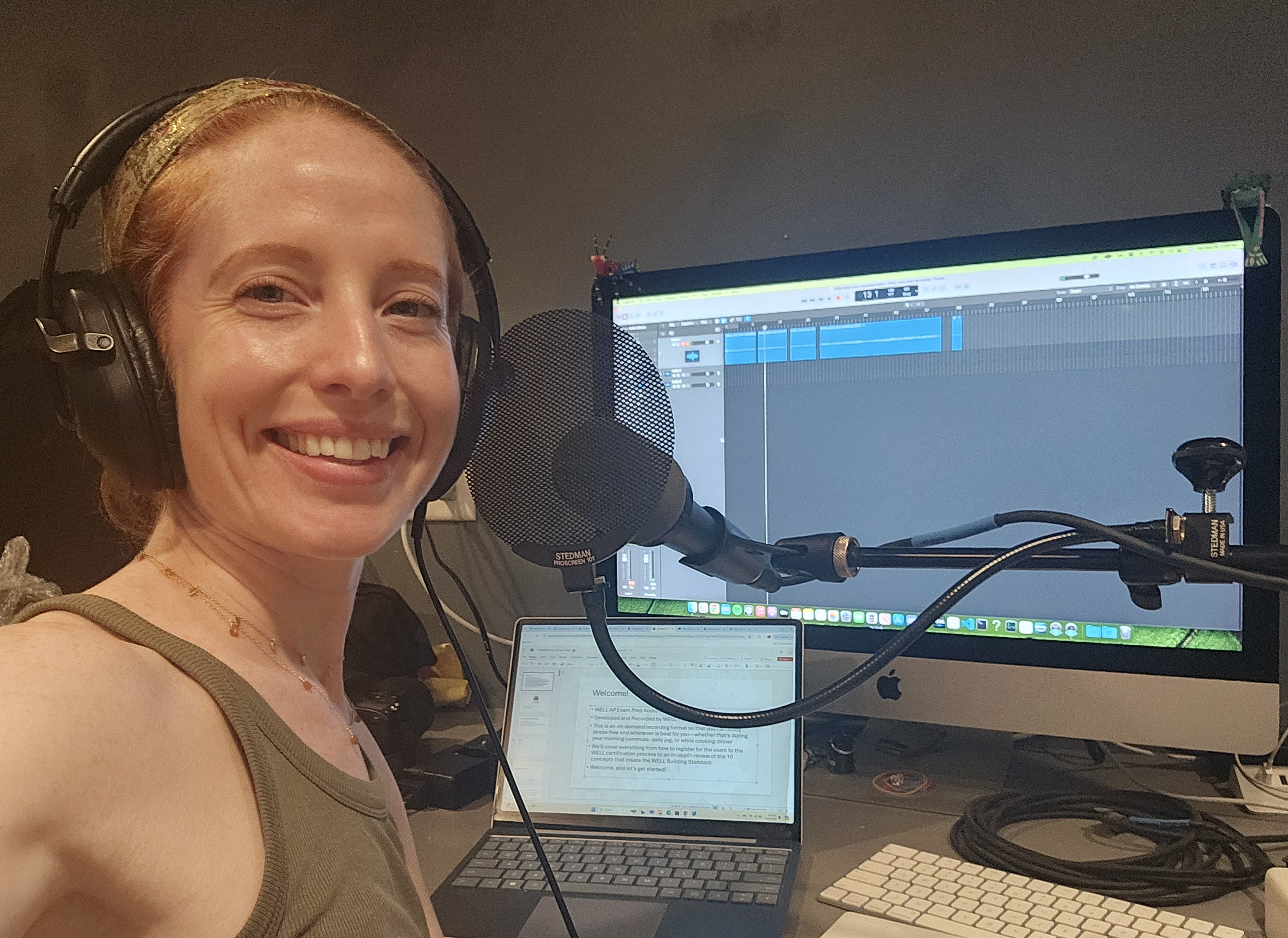
When I was preparing for the WELL AP exam, I realized there weren’t many resources that broke down the material in a way that was both comprehensive and easy to absorb on the go. I created an audio course to help bridge that gap—something that allows candidates to learn in a structured yet flexible way. My goal was to make the WELL Standard feel more approachable, whether someone is commuting, taking a walk, or just prefers an auditory learning style. If you’re curious about whether it might be a good fit for you or just want to connect on our shared interests in WELL and sustainability, feel free to reach out—I’d love to chat!

绿建集成网会员服务列表(简洁版)网站版块版块详细浏览权限备注说明 ...
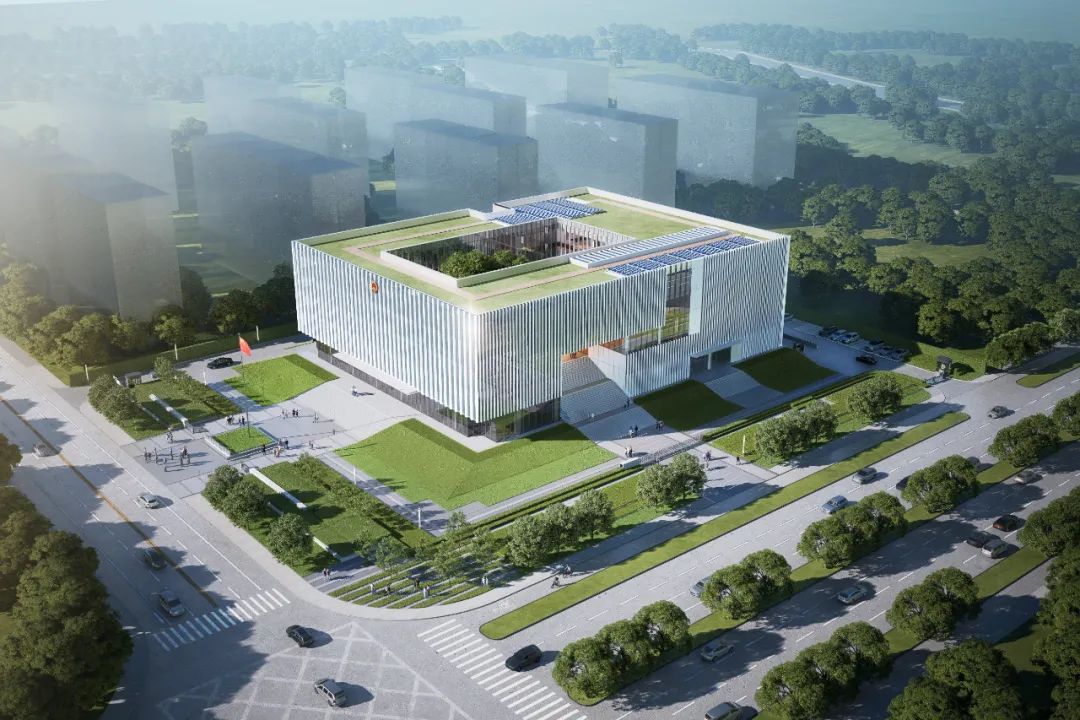
衢州智造新城人民法院审判法庭项目TJAD4园区办公?衢州智造新城 ...
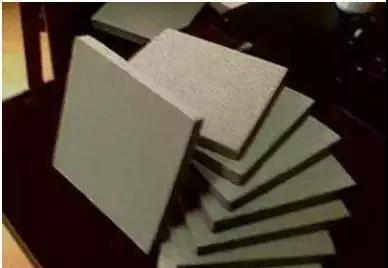
保温材料依据材性来分类,大体分为有机材料、无机材料和复合材料。不 ...

一、公司介绍享誉业界的 submarine 潜水艇一直致力于新型 ...

建筑门窗幕墙密封胶条一般是指在建筑门窗幕墙构件,如玻璃和压条、玻 ...

4.1.6卫生间、浴室的地面应设置防水层,墙面、顶棚应设置防潮层 ...

中海地产(以下简称“公司”)隶属于中国建筑集团有限公司,1979 ...

2019年广东商品房销售额达到19748亿元,2020年1-9月 ...

现批准《建筑照明设计标准》为国家标准,编号为GB/T50034- ...

大元集团前身为沧州市第一建筑工程公司,成立于1952年,1999 ...

华建集团华东建筑设计研究总院(以下简称:华东总院;英文名ECAD ...

广东省绿色建筑相关政策住建部1七部委联合发布关于印发《绿色建筑创 ...
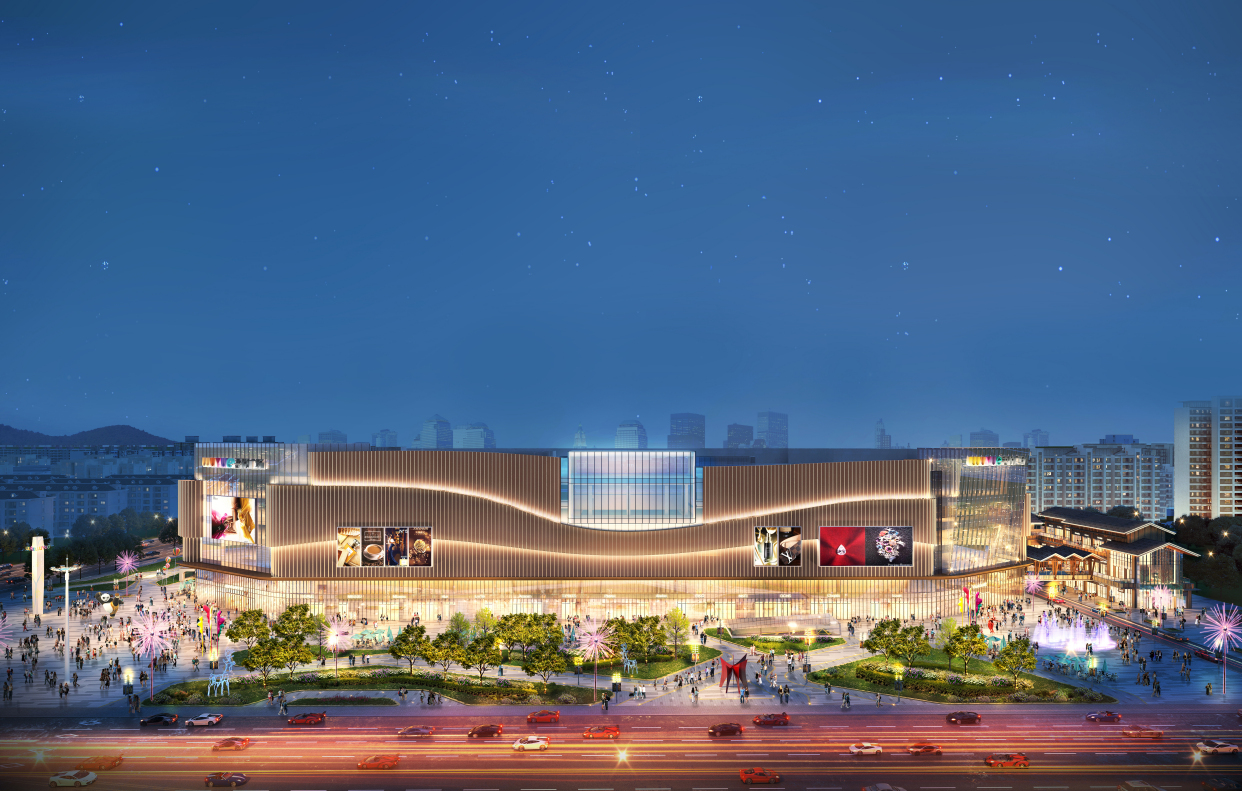
2024年,房地产行业在经历了一段时期的调整后,逐渐迎来了新的发 ...
第四章安全耐久加分项-4.2.9合理采用耐久性好、易维护的装饰装 ...

公司简介中国建筑西南设计研究院有限公司(简称中建西南院)始建于1 ...
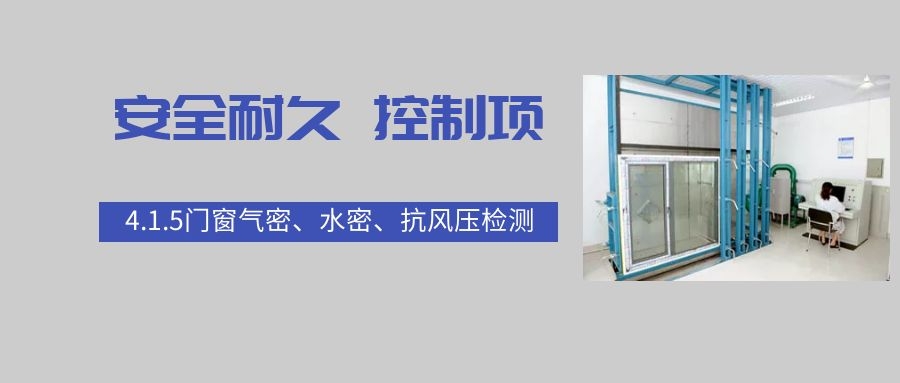
4.1.5建筑外门窗必须安装牢固,其抗风压性能和水密性能应符合国 ...

当代置业(中国)有限公司设立于2000年,总部位于北京,简称当代 ...
广东省建筑节能协会【Guangdong Building Ene ...
根据《绿色建筑评价标准》GB/T 50378-2019新绿标全新架构,采用以产品与条文结合的方式设计,配合公司自主研发的《绿建设计评价软件》,为设计、咨询、材料、建设方、开发、施工等建筑行业相关单位提供绿建筑选用技术和产品信息的大数据综合服务平台!
QQ 客服:1658253059 或 4993067
客服热线:18501126985 13693161205或010-56203128
地址:北京市丰台区南四环西路128号院诺德中心一期2号楼12层1201室


 京公网安备 11010602007285号